

The Spanish monarchy, under the leadership of King Felipe VI and Queen Letizia, has strategically positioned itself as a pivotal instrument of economic diplomacy and cultural promotion on the global stage. Since ascending to the throne in 2014, King Felipe VI has embraced a modernized vision of constitutional monarchy that emphasizes the Crown’s role in supporting Spain’s economic interests, cultural heritage, and international standing. This analysis examines how the Spanish Royal Family functions as an effective ambassador for Spanish trade, cultural industries, and tourism through state visits, patronage activities, and sustained diplomatic engagement. By leveraging the unique convening power and symbolic authority of the monarchy, the royal household has contributed measurably to enhancing “Brand Spain” and facilitating commercial relationships that benefit the Spanish economy.
The Economic Diplomacy of State Visits
State visits and official royal tours constitute the primary mechanism through which the Spanish Royal Family advances trade interests abroad. King Felipe VI and Queen Letizia undertake numerous international visits annually, each carefully coordinated with Spanish business delegations, cultural representatives, and government officials. These visits serve multiple functions: they provide high-level political validation for bilateral relationships, create networking opportunities for Spanish companies, and generate international media attention that showcases Spanish excellence across various sectors.
According to Spain’s Ministry of Foreign Affairs, the economic component of royal visits has been systematically strengthened under Felipe VI’s reign. Business forums organized during state visits typically bring together hundreds of Spanish and host-country companies, facilitating direct contact between decision-makers. For example, during the 2019 state visit to Cuba, King Felipe was accompanied by a substantial business delegation representing sectors including renewable energy, infrastructure, tourism, and agribusiness. The visit resulted in the signing of multiple memoranda of understanding between Spanish and Cuban entities, demonstrating the tangible commercial outcomes that royal diplomacy can generate.
The royal couple’s 2017 visit to the United Kingdom similarly highlighted the economic dimension of monarchy-to-monarchy diplomacy. Coinciding with Brexit negotiations, the visit provided a platform to emphasize the deep commercial ties between Spain and the UK, particularly in tourism, financial services, and investment. The Spanish business delegation included representatives from major corporations such as Iberdrola and Telefónica, and the visit reinforced Spain’s position as a key economic partner regardless of the UK’s relationship with the European Union.
Latin America: The Strategic Priority
The Spanish-speaking world represents a natural focal point for Spanish royal diplomacy, and King Felipe VI has devoted considerable attention to strengthening relationships across Latin America. Spain maintains unique historical and cultural connections with the region, and the monarchy serves as a living symbol of these shared bonds. Royal visits to Latin American countries consistently emphasize commercial cooperation, particularly in sectors where Spanish companies have developed significant expertise, including banking, telecommunications, renewable energy, and infrastructure development.
King Felipe’s attendance at presidential inaugurations throughout Latin America serves diplomatic purposes while also providing opportunities to advance Spanish business interests. These visits enable direct engagement with new administrations at crucial moments when economic policies are being formulated and international partnerships are being evaluated. The presence of the Spanish monarch signals the importance Spain places on the bilateral relationship and creates favorable conditions for Spanish enterprises operating in or seeking to enter these markets.
The Ibero-American Summits, which bring together heads of state from Spanish and Portuguese-speaking countries, provide another platform for royal economic diplomacy. King Felipe’s participation in these summits reinforces Spain’s commitment to the Ibero-American community and facilitates discussions on trade liberalization, investment protection, and cultural cooperation. The summits also enable networking among business leaders from across the region, with Spanish companies well-positioned to benefit from the relationships and agreements that emerge.
Patronage and Cultural Industries
Queen Letizia has developed a distinctive focus on promoting Spanish cultural exports and creative industries through her patronage activities. As a former journalist with deep understanding of media and communication, the Queen has strategically leveraged her platform to highlight Spanish achievements in literature, film, fashion, gastronomy, and design. Her patronage extends to institutions such as the Cervantes Institute, which promotes Spanish language and culture internationally, and various cultural foundations that support Spanish artists and creators.
The fashion industry provides a particularly clear example of royal influence on cultural exports. Queen Letizia’s sartorial choices consistently feature Spanish designers, including Felipe Varela, Carolina Herrera’s Spanish line, and emerging Spanish fashion houses. Her appearance in Spanish-designed clothing during state visits and official events generates significant international media coverage and provides invaluable exposure for Spanish fashion brands. Fashion industry analysts have noted the “Letizia effect,” whereby garments worn by the Queen often sell out quickly and generate increased interest in Spanish design internationally.
Similarly, the royal couple’s support for Spanish gastronomy has contributed to the international prestige of Spanish cuisine. Spain has developed into one of the world’s premier culinary destinations, and royal receptions frequently showcase Spanish wines, olive oils, cheeses, and other artisanal food products. By integrating Spanish gastronomic excellence into official entertaining, the Royal Family reinforces Spain’s reputation for quality food production and supports the export ambitions of Spanish food and beverage companies.
Tourism Promotion and National Branding
Tourism represents a cornerstone of the Spanish economy, accounting for approximately 12.4% of GDP and employing millions of people across the country. The Royal Family contributes to tourism promotion both directly, through their own travels and public appearances, and indirectly, by enhancing Spain’s international image and prestige. State visits invariably generate media coverage that showcases Spanish culture, history, and contemporary achievements, effectively functioning as high-profile tourism marketing campaigns.
The symbolic power of monarchy enhances Spain’s appeal as a destination rich in history and tradition. Royal palaces, including the Royal Palace of Madrid and the Palace of La Almudaina in Mallorca, attract millions of visitors annually and serve as tangible connections to Spain’s monarchical heritage. The Royal Family’s judicious use of these historic settings for official functions reinforces their cultural significance while maintaining them as accessible tourist attractions.
King Felipe and Queen Letizia’s emphasis on Spain’s regional diversity during domestic visits also supports tourism development across the country. By visiting different autonomous communities and highlighting their distinctive cultural traditions, landscapes, and economic strengths, the royal couple draws attention to destinations beyond the major urban centers. This geographically balanced approach aligns with government efforts to promote sustainable tourism development and distribute economic benefits more equitably across Spanish regions.
The Monarchy’s Convening Power in Trade Relations
The constitutional monarchy’s position above partisan politics enables the Royal Family to maintain continuity in Spain’s international relationships regardless of domestic political changes. This stability is particularly valuable in trade and investment contexts, where long-term confidence and predictability are essential. Foreign businesses and governments recognize that engagement with the Spanish monarchy provides access to networks and relationships that transcend electoral cycles.
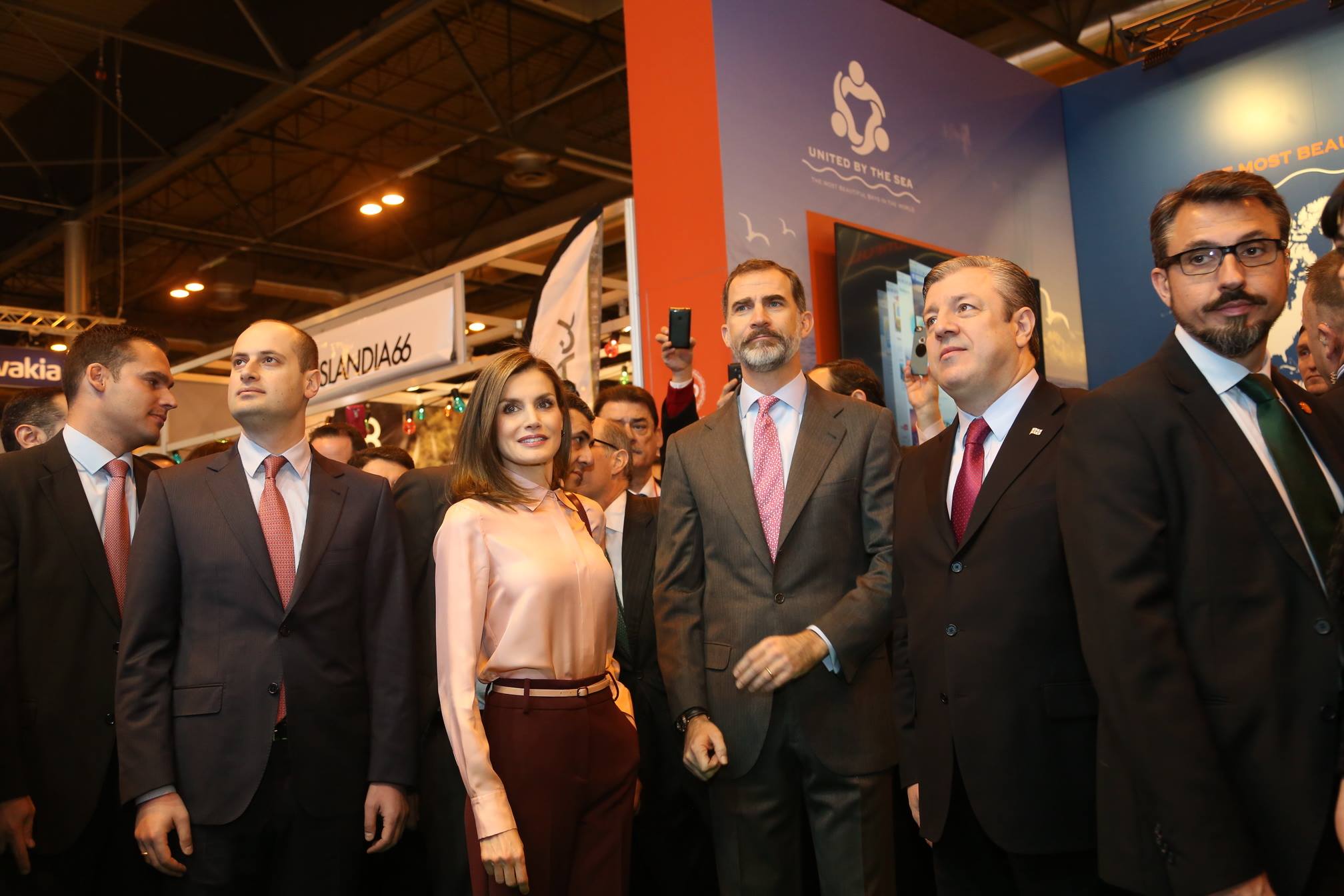
Royal receptions and events create unique networking environments where Spanish and international business leaders can interact in prestigious settings conducive to relationship-building. The Casa Real (Royal Household) organizes numerous such events annually, often coordinated with major trade fairs, cultural exhibitions, or diplomatic occasions. These gatherings facilitate introductions, encourage dialogue, and create informal settings where commercial partnerships can be explored.
The monarchy’s convening power is particularly evident in sectors requiring sustained international cooperation, such as renewable energy and infrastructure. Spanish companies including Iberdrola, Acciona, and ACS have developed world-leading expertise in these areas, and royal support for international forums and bilateral meetings in these sectors reinforces Spain’s technological credentials and facilitates market access.
Supporting the Spanish Language and Educational Exports
As a global language spoken by nearly 500 million people, Spanish represents both a cultural asset and an economic resource. The Royal Family actively supports institutions that promote Spanish language education internationally, recognizing that language learning creates cultural affinity, facilitates trade, and generates demand for Spanish educational services and materials.
The Cervantes Institute, which operates cultural centers in dozens of countries, benefits from royal patronage and support. King Felipe and Queen Letizia regularly attend Cervantes Institute events and use state visits to inaugurate new centers or participate in Spanish language and culture celebrations. This royal endorsement elevates the Institute’s prestige and reinforces the message that Spanish language and culture constitute national priorities worthy of investment and international promotion.
Spanish universities have increasingly focused on attracting international students, and the monarchy’s support for educational exchanges and academic cooperation agreements facilitates these efforts. Royal participation in university anniversaries, research center openings, and academic conferences highlights Spain’s educational excellence and encourages international academic collaboration. International students who study in Spain often develop lasting connections to the country and may subsequently become business partners, investors, or cultural ambassadors.
Measuring Economic Impact
Quantifying the precise economic impact of royal diplomacy presents methodological challenges, as royal activities typically function as one element within broader governmental and private sector efforts to promote trade and investment. Nevertheless, several indicators suggest significant value creation. Business forums organized during state visits regularly result in signed agreements worth hundreds of millions of euros. Tourism promotion activities supported by royal participation contribute to Spain’s position as the world’s second-most-visited country, generating substantial foreign exchange earnings.
Research conducted by the Spanish think tank Real Instituto Elcano has examined the role of “soft power” resources, including the monarchy, in supporting Spain’s international influence and economic interests. Their analysis suggests that Spain’s constitutional monarchy, when functioning effectively and maintaining public confidence, represents a valuable diplomatic asset that differentiates Spain from republics and provides unique access and influence in monarchical countries and traditional societies.
The return on investment for royal household expenditures appears favorable when considered against the economic activity facilitated through royal diplomacy. The annual budget for the Casa Real is approximately €8.4 million, a modest sum compared to the value of trade agreements, investment flows, and tourism revenues that benefit from royal support and promotion. While causation cannot be definitively established, the correlation between sustained royal engagement and Spanish commercial success in specific markets warrants recognition.
The economic benefits generated through royal diplomacy, while difficult to measure precisely, appear substantial when considered against the modest costs of maintaining the constitutional monarchy. State visits facilitate commercial agreements, royal patronage elevates Spanish cultural exports, and the monarchy’s stability provides continuity in international relationships that supports trade and investment. As Spain navigates an increasingly complex global economy, the Royal Family’s role in economic diplomacy represents a distinctive asset that complements governmental and private sector efforts to enhance Spanish prosperity and international influence.