

The Royal Collection stands as one of the world’s most significant assemblages of art and decorative objects, containing approximately 1 million items accumulated over five centuries of British monarchial patronage. Unlike many national collections housed in public institutions, the Royal Collection is held in trust by the Sovereign for the nation, creating a distinctive model of heritage stewardship that bridges private custodianship and public accessibility. This analysis examines how the monarchy manages this vast cultural treasury, explores the mechanisms through which public engagement is facilitated, and assesses the collection’s broader contributions to British cultural diplomacy, tourism, and national identity.
The Royal Collection: Scope and Significance
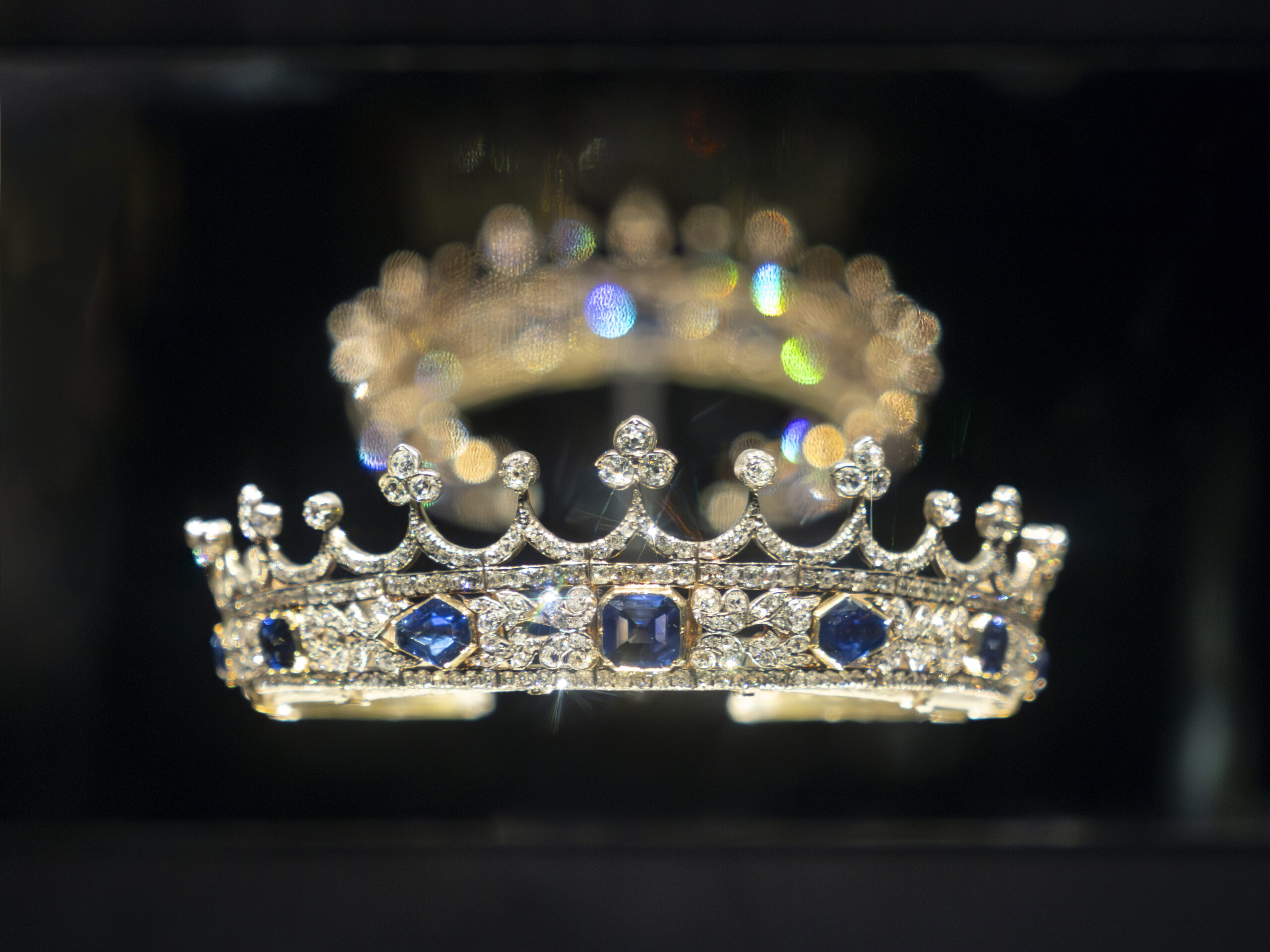
The Royal Collection comprises an extraordinary range of artistic and historical treasures, including paintings by masters such as Leonardo da Vinci, Rembrandt, Vermeer, and Canaletto, as well as extensive holdings of drawings, watercolors, photographs, furniture, ceramics, textiles, and manuscripts. Among its most iconic items are the Crown Jewels, housed in the Tower of London, which attract millions of visitors annually and serve as potent symbols of British constitutional continuity.
The collection’s formation reflects centuries of royal patronage and collecting practices. Significant expansion occurred during the reign of Charles I, whose sophisticated taste established what became one of Europe’s finest art collections in the seventeenth century. Although much of this collection was dispersed during the Commonwealth period, subsequent monarchs, particularly George III and George IV, reassembled and expanded royal holdings. Queen Victoria and Prince Albert further enriched the collection through systematic acquisition and were among the first to recognize its educational potential for the broader public.
Unlike collections that passed into state ownership, the Royal Collection has maintained its unique status as property of the Crown, held in trust by the reigning monarch for successors and the nation. This distinctive arrangement ensures that items cannot be sold or dispersed, providing exceptional continuity and protection for these cultural assets while simultaneously establishing particular responsibilities for public access and stewardship.
Institutional Framework: The Royal Collection Trust
The Royal Collection Trust, established in 1993, serves as the department of the Royal Household responsible for the care and presentation of the Royal Collection. Operating as a registered charity, the Trust receives no government funding and is financially self-sufficient, generating income through admissions to royal residences, exhibitions, publications, and licensing activities. This financial model demonstrates how the monarchy has adapted traditional custodianship to contemporary expectations of institutional transparency and public accountability.
The Trust’s governance structure reflects professional museum standards while maintaining its connection to the royal household. A board of trustees, including individuals with expertise in museum management, art history, finance, and heritage conservation, oversees strategic direction and ensures that conservation and public engagement objectives are met. This professionalization of collection management represents a significant evolution in how royal heritage is administered, aligning the monarchy with international best practices in museum stewardship.
The Trust employs specialists across multiple disciplines, including conservators, curators, art historians, and education professionals, ensuring that the collection receives expert care while research and scholarship continue to deepen understanding of individual works and the collection as a whole. This commitment to scholarly rigor has positioned the Royal Collection as an important resource for academic research, with specialists regularly publishing catalogues raisonnés and scholarly articles that contribute to art historical knowledge.
Public Access and Educational Programming
Public accessibility to the Royal Collection occurs through multiple channels, reflecting a comprehensive approach to heritage democratization. The State Rooms at Buckingham Palace open annually during the summer months and on selected dates throughout the year, allowing visitors to experience rooms still used for official state functions while viewing works from the collection in their intended ceremonial context. Similarly, Windsor Castle, the Palace of Holyroodhouse in Edinburgh, and the Queen’s Gallery locations in London and Edinburgh provide year-round access to rotating exhibitions and permanent displays.
The Queen’s Galleries, purpose-built exhibition spaces at Buckingham Palace and Holyroodhouse, host temporary exhibitions that explore specific themes, artists, or periods represented in the collection. These exhibitions employ contemporary curatorial approaches, incorporating multimedia interpretation, educational materials, and interactive elements that enhance visitor engagement. Recent exhibitions have addressed diverse subjects ranging from Renaissance portraiture to royal photography, demonstrating the collection’s breadth and the Trust’s commitment to varied programming.
Educational initiatives extend beyond physical visits. The Royal Collection Trust has developed extensive digital resources, including an online database that provides public access to images and information about works in the collection. This digital accessibility represents a significant commitment to knowledge dissemination, allowing researchers, students, and interested individuals worldwide to explore the collection regardless of geographic location. During the COVID-19 pandemic, the Trust expanded virtual programming, offering online tours, educational resources for schools, and digital exhibitions that maintained public engagement during periods of physical closure.
School programs, workshops, and family activities further demonstrate the monarchy’s recognition that heritage custodianship entails educational responsibilities. The Trust develops curriculum-aligned resources for teachers and students, facilitating learning experiences that connect historical and artistic content to contemporary educational objectives. These programs introduce younger generations to British cultural heritage while fostering appreciation for artistic achievement and historical continuity.
International Loans and Cultural Diplomacy
The Royal Collection plays a significant role in British cultural diplomacy through carefully managed international loan programs. Works from the collection regularly appear in major exhibitions worldwide, extending the reach of British cultural influence and fostering international scholarly collaboration. These loans serve multiple diplomatic functions, strengthening cultural ties between nations, demonstrating British commitment to international heritage exchange, and showcasing the quality and significance of royal holdings.
State visits provide particularly visible opportunities for cultural diplomacy involving the collection. During official visits to the United Kingdom, visiting heads of state often view works related to their nations or interests, creating moments of cultural connection that complement formal diplomatic protocols. Similarly, gifts drawn from the collection or specially commissioned works acknowledge important bilateral relationships and commemorate significant occasions. These practices continue traditions of royal gift-giving while adapting them to contemporary diplomatic contexts.
The monarchy’s role as custodian of such a significant collection enhances Britain’s soft power, projecting an image of cultural sophistication, historical depth, and commitment to heritage preservation. When major exhibitions featuring Royal Collection works appear in international venues, they generate positive attention for British culture and institutions while providing economic benefits through enhanced tourism interest. The Leonardo da Vinci exhibition held in 2019, which displayed drawings from the Royal Collection in twelve cities across the United Kingdom simultaneously before touring internationally, exemplified how royal holdings can be leveraged for both domestic cultural enrichment and international engagement.
Economic Contributions: Tourism and Revenue Generation
The economic impact of the Royal Collection extends beyond direct admission revenues to encompass broader tourism benefits and associated spending. Royal residences featuring the collection rank among Britain’s most visited tourist attractions, with millions of visitors annually contributing to local and national economies through accommodation, dining, transportation, and retail expenditures. Windsor Castle alone welcomes over 1.5 million visitors in typical years, while summer opening of Buckingham Palace attracts substantial international tourism.
The Royal Collection Trust’s financial self-sufficiency model demonstrates that heritage stewardship can operate sustainably without taxpayer funding. Admission fees, retail operations selling collection-related publications and merchandise, and licensing agreements generate revenue that funds conservation work, acquisitions, research, and public programming. This economic model provides a degree of financial independence while ensuring resources are reinvested in collection care and public benefit.
Tourism associated with royal heritage supports employment across multiple sectors, from direct positions within royal residences to broader hospitality and cultural industries. The monarchy’s commitment to maintaining and presenting the collection in historically significant settings creates an authentic heritage tourism product that differentiates British cultural offerings in a competitive international marketplace. Research into royal tourism’s economic impact suggests that the combination of operational palaces, historical continuity, and accessible collections creates unique value that benefits national and regional economies.
Conservation and Stewardship
The monarchy’s role as heritage custodian entails substantial conservation responsibilities that ensure the collection’s preservation for future generations. The Royal Collection Trust operates dedicated conservation studios employing specialists in paintings, furniture, textiles, books, and other materials. These conservators undertake preventive conservation, ensuring appropriate environmental conditions and handling protocols, as well as interventive treatments addressing deterioration or damage.
Conservation work on the collection contributes to broader heritage science and conservation practice. Royal conservators collaborate with academic institutions, participate in professional networks, and share expertise through publications and conferences. This knowledge exchange benefits the wider heritage sector while ensuring that collection care reflects current best practice. Conservation projects are often documented and shared publicly, increasing transparency and demonstrating the ongoing investment required to maintain cultural heritage.
The Trust’s commitment to conservation extends to historic buildings housing the collection. Maintaining royal residences as functioning palaces rather than static museums presents unique challenges, as spaces must accommodate ceremonial use while providing appropriate conditions for art display. This integration of living heritage with museum functions distinguishes the Royal Collection’s presentation from conventional museum models, offering visitors insight into how art and architecture functioned within royal life historically and continue to serve ceremonial purposes today.
Balancing Private Ownership with Public Benefit
The Royal Collection’s status as Crown property held in trust creates a distinctive balance between private custodianship and public interest. This arrangement differs from fully nationalized collections, where state ownership provides clear public rights, and from private collections, where owners exercise unrestricted control. The monarchy’s position as trustee establishes responsibilities to both preserve the collection intact and ensure public benefit through access and education.
This model offers certain advantages for heritage preservation. The continuity provided by monarchial custodianship protects against political changes that might affect publicly owned collections. The inability to sell items prevents the dispersal that has affected many historic collections when financial pressures arise. Furthermore, the collection’s association with the functioning monarchy maintains its cultural resonance and public interest in ways that might diminish if items were simply transferred to state museums.
Critics have occasionally questioned whether greater public ownership would enhance accessibility or accountability. However, the Royal Collection Trust’s track record of expanding access, improving conservation standards, and achieving financial sustainability while generating public benefit suggests that the current model functions effectively. The Trust’s charitable status and professional governance provide mechanisms for public accountability while preserving the collection’s unique character and historical continuity.
Future Directions and Evolving Public Engagement
The Royal Collection continues to evolve its approaches to public engagement, reflecting changing visitor expectations and technological possibilities. Digital innovation presents opportunities for enhanced accessibility, with virtual reality experiences, online exhibitions, and educational resources extending the collection’s reach beyond physical visits. The Trust has indicated commitment to expanding digital offerings while maintaining the irreplaceable value of encountering objects in person.
Diversification of interpretation and programming addresses contemporary interests in inclusivity and multiple perspectives. Recent exhibitions have explored themes such as the collection’s global connections, the roles of artists and craftspeople from diverse backgrounds, and the circulation of objects across cultures. This approach acknowledges that heritage institutions, including royal collections, serve increasingly diverse audiences with varied interests and perspectives.
Sustainability considerations are increasingly integrated into collection management, with environmental monitoring, energy-efficient climate control, and sustainable practices in exhibition design and operations. The monarchy’s long-term custodianship aligns naturally with sustainability principles, as preserving the collection for future generations requires environmental stewardship and resource conservation.
The Royal Collection exemplifies how monarchy can serve as an effective custodian of national heritage, balancing preservation responsibilities with public benefit in ways that honor historical continuity while embracing contemporary accessibility and engagement. As cultural institutions worldwide grapple with questions of ownership, access, and sustainability, the Royal Collection’s model offers valuable insights into how heritage can be protected, shared, and celebrated across generations.