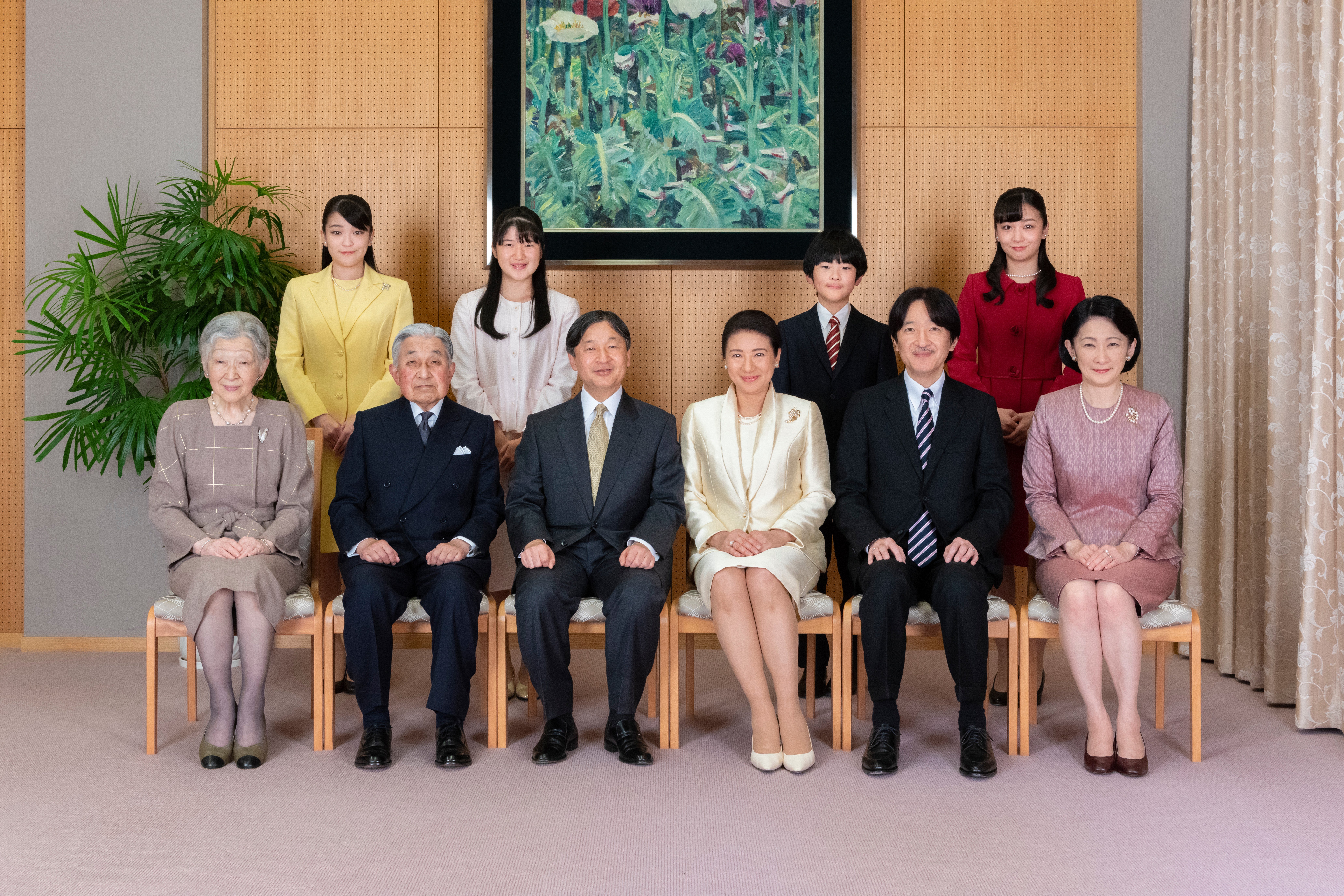
Emperor Naruhito of Japan ascended to the Chrysanthemum Throne on May 1, 2019, following the historic abdication of his father, Emperor Emeritus Akihito. Unlike many monarchs who assume their roles through succession following a predecessor’s death, Naruhito’s accession occurred during a carefully managed transition that reflected both tradition and modernity. What distinguishes the current emperor beyond the circumstances of his enthronement is his profound scholarly commitment to water resource management and environmental conservation, a focus that has shaped his public role and contributed to an evolving understanding of how Japan’s constitutional monarchy can address contemporary global challenges while respecting strict political neutrality.
This analysis examines how Emperor Naruhito has integrated his environmental expertise into his imperial duties, the constitutional framework within which he operates, and the broader implications of this approach for the evolution of Japan’s monarchy. By exploring the intersection of scholarly advocacy, symbolic leadership, and constitutional constraints, we can better understand the adaptive capacity of ceremonial monarchies in the twenty-first century.
A Lifetime Dedicated to Water Studies
Emperor Naruhito’s environmental credentials are not merely ceremonial or symbolic. They rest on a solid academic foundation developed over decades of rigorous scholarship. During his time at Gakushuin University in Tokyo, where he studied history, and later at Merton College, Oxford, where he conducted research on eighteenth-century navigation and commerce on the River Thames, Naruhito developed expertise that would inform his lifelong focus on water issues.
His Oxford thesis, completed in 1988, examined the Thames as a transportation highway during a critical period of British economic development. This research required him to engage deeply with questions of water management, environmental change, and the relationship between natural resources and human society. Following his return to Japan, Naruhito continued his water-related research, publishing papers and participating in international conferences on water transport, conservation, and resource management.
The emperor’s scholarship has addressed practical challenges facing modern societies. He has examined historical water transport systems, sustainable water resource management, and the critical importance of clean water access for human development. This academic grounding distinguishes him from many heads of state and provides credibility when he addresses environmental issues in his public role. His expertise is recognized internationally; he has been an honorary president of the United Nations Secretary-General’s Advisory Board on Water and Sanitation and has participated in numerous international forums dedicated to water conservation.
The Framework of Political Neutrality
Japan’s post-war constitution, adopted in 1947, fundamentally redefined the emperor’s role. Article 1 states that the emperor “shall be the symbol of the State and of the unity of the People, deriving his position from the will of the people with whom resides sovereign power.” Article 4 explicitly prohibits the emperor from exercising powers related to government, establishing the monarchy as purely ceremonial and symbolic.
These constitutional provisions create a delicate balance. The emperor must engage with the nation and represent Japanese values and aspirations without involving himself in political controversies or policy debates. This constraint is particularly significant given Japan’s parliamentary democracy, where political power rests with elected officials. The Imperial Household Agency, which manages the emperor’s official activities, carefully vets speeches and public appearances to ensure constitutional compliance.
This framework means that Emperor Naruhito cannot advocate for specific environmental policies, endorse particular legislative initiatives, or criticize government actions. He cannot align himself with environmental movements or political parties. Yet within these constraints, meaningful engagement remains possible through careful attention to tone, context, and symbolic messaging. The emperor’s approach demonstrates how constitutional monarchs can exercise what might be termed “soft influence” through raising awareness, highlighting values, and modeling behavior without crossing into political territory.
Public Engagement Approaches: Symbolic Messaging Within Constitutional Bounds
Emperor Naruhito has developed sophisticated approaches to environmental advocacy that respect constitutional limitations while meaningfully advancing public consciousness about water and environmental issues. His strategy relies on several interconnected methods.
First, he leverages ceremonial occasions to incorporate environmental themes. In his birthday addresses and official statements, the emperor regularly references water conservation, environmental stewardship, and the importance of learning from natural disasters. These references are carefully calibrated to avoid policy prescriptions while emphasizing universal values of environmental responsibility. For example, in various public remarks, he has highlighted the importance of water for human life and the need for sustainable management without specifying particular governmental approaches.
Second, the emperor uses his role in ceremonial tree-planting events, agricultural rituals, and disaster-affected area visits to demonstrate environmental consciousness through action rather than political speech. The annual rice-planting ceremony at the Imperial Palace, a tradition maintained by recent emperors, serves as a powerful symbol of connection to agriculture and environmental stewardship. By personally participating in such activities, Naruhito models environmental engagement in ways that transcend political debate.
Third, he employs his scholarly reputation to participate in international forums and conferences where environmental issues are discussed in technical rather than political terms. His participation in water-related symposia and his honorary positions with international water organizations allow him to contribute expertise while maintaining appropriate distance from partisan politics. This approach leverages his academic credentials to add substantive value to environmental discussions without violating constitutional neutrality.
Fourth, the emperor supports environmental initiatives through the symbolic power of imperial patronage. When the Imperial Family visits disaster-affected areas, participates in environmental education programs, or meets with researchers working on sustainability issues, these actions signal priorities without requiring explicit policy advocacy. The very presence of the emperor at such events elevates their importance in public consciousness and media coverage.
Evolution From Previous Imperial Priorities
Emperor Naruhito’s environmental focus represents a generational evolution in imperial family priorities, building upon but also distinguishing itself from the approaches of his predecessors. Emperor Emeritus Akihito, Naruhito’s father, became renowned for his compassionate engagement with disaster victims and his scholarly work on ichthyology (the study of fish). While Akihito demonstrated environmental consciousness through his scientific research and his visits to areas affected by natural disasters, his public role emphasized healing and unity in the aftermath of tragedy, particularly following the devastating 2011 Tōhoku earthquake and tsunami.
Emperor Emeritus Akihito’s approach established important precedents for active imperial engagement with contemporary challenges while respecting constitutional limits. His decision to abdicate, citing his advancing age and desire to fulfill his duties adequately, itself represented a significant evolution in thinking about the imperial role. This action demonstrated that the monarchy could adapt to changing circumstances while maintaining its essential character.
Emperor Naruhito has inherited this legacy of engaged, compassionate monarchy while adding his distinct scholarly emphasis on environmental issues. This generational shift reflects several broader trends. First, it acknowledges the increasing global prominence of environmental challenges, particularly climate change and water scarcity, which were less central to public discourse during earlier periods of his father’s reign. Second, it leverages Naruhito’s particular expertise developed over decades of academic work, allowing the emperor to contribute substantive knowledge rather than merely symbolic presence.
Third, this evolution aligns with changing public expectations of leadership. Younger generations in Japan, as globally, demonstrate heightened environmental consciousness and expect leaders across sectors to engage with sustainability issues. By emphasizing environmental themes, Emperor Naruhito speaks to these contemporary concerns while maintaining the timeless symbolic functions of the monarchy.
Empress Masako, who holds a degree from Harvard University and a master’s degree in international relations from Oxford, has also contributed to this evolution. Her background in diplomacy and international affairs complements the emperor’s environmental focus, together projecting an image of an imperial couple engaged with global challenges through knowledge and expertise rather than political positioning.
Space for Advocacy Within the Ceremonial Monarchy Framework
The Japanese constitutional monarchy provides a revealing case study in how ceremonial monarchs can engage with substantive issues despite severe political constraints. Emperor Naruhito’s environmental advocacy operates within what might be termed “permitted advocacy space,” areas where symbolic leadership, values promotion, and consciousness-raising are possible without violating political neutrality.
This space exists because certain issues, while having political dimensions, also represent broadly shared values that transcend partisan division. Environmental conservation, particularly water resource management, generally enjoys cross-party support in Japan, even if specific policy approaches differ. By focusing on the fundamental importance of clean water, sustainable resource use, and environmental stewardship, the emperor can advocate for values without endorsing particular political solutions.
Moreover, the emperor’s role as “symbol of the State and of the unity of the People” creates unique opportunities for moral and cultural leadership. Symbols communicate meaning beyond explicit political statements. When the emperor demonstrates personal commitment to environmental practices, participates in traditional agricultural ceremonies that emphasize human dependence on natural systems, or speaks about water conservation in general terms, he performs symbolic functions that can influence public consciousness without directing government policy.
The international dimension of the emperor’s environmental work provides additional advocacy space. When Naruhito participates in global water conferences or engages with international environmental organizations, he represents Japan’s commitment to addressing shared human challenges. This international role allows substantive engagement with environmental issues in ways that domestic political constraints might otherwise limit. His contributions to international discourse on water management enhance Japan’s soft power and global standing while advancing environmental awareness.
The careful management of this advocacy space requires extraordinary institutional discipline. The Imperial Household Agency’s role in vetting speeches and managing the emperor’s public activities ensures that environmental messaging remains within constitutional bounds. This institutional guardrail, while sometimes criticized as overly restrictive, serves the essential function of protecting both the monarchy and the democratic system from inappropriate political involvement by the emperor.
Broader Implications for Modern Monarchy
Emperor Naruhito’s approach to environmental advocacy offers several lessons for understanding constitutional monarchy’s evolving role in contemporary society. First, it demonstrates that ceremonial monarchs can maintain relevance and contribute to public discourse on critical issues without exercising political power. The Japanese model shows how carefully calibrated symbolic leadership can complement democratic governance rather than threatening it.
Second, it suggests that expertise and scholarship can enhance a monarch’s effectiveness within constitutional constraints. By bringing genuine knowledge to his environmental focus, Emperor Naruhito adds substance to symbolic actions. This credibility allows him to participate in technical and academic discussions that would be inappropriate if his interest were merely ceremonial. Other monarchies might consider how encouraging scholarly or professional expertise among royal family members could enhance their capacity for meaningful public engagement.
Third, the Japanese experience illustrates how constitutional monarchies can adapt to address contemporary challenges while maintaining traditional forms. The emperor continues to perform ancient Shinto rituals and participate in centuries-old ceremonies, yet he simultaneously engages with twenty-first-century environmental crises. This combination of tradition and contemporary relevance helps sustain public support for the monarchy by demonstrating its continuing value.
Fourth, Emperor Naruhito’s environmental advocacy highlights the potential for monarchs to serve as long-term voices for issues that transcend electoral cycles. Democratic politicians must focus on immediate priorities and face regular electoral accountability. A constitutional monarch, secure in position and freed from electoral pressures, can maintain consistent focus on long-term challenges like environmental sustainability. This temporal perspective represents a unique contribution that ceremonial monarchies can make to public discourse.
As societies confront increasingly complex environmental challenges requiring sustained attention across political cycles, the model of informed, carefully calibrated royal environmental advocacy exemplified by Emperor Naruhito may offer insights for other constitutional monarchies seeking to remain relevant and contribute to public welfare within democratic frameworks. The Japanese experience suggests that constitutional monarchy, far from being merely a historical vestige, can adapt to address contemporary challenges while preserving the stability, continuity, and symbolic unity that represent its enduring contributions to constitutional democracy.