

The Kingdom of Saudi Arabia’s ambitious Vision 2030 reform agenda represents one of the most comprehensive economic transformation programs undertaken by any nation in recent decades. At the heart of this transformation lies a distinctive governance model: the strategic placement of young members of the Saudi royal family in key technocratic positions overseeing critical sectors of the diversification effort. This approach reflects a calculated attempt by Crown Prince Mohammed bin Salman Al Saud to leverage the unique advantages of monarchical authority while injecting new expertise and urgency into economic reform. The question of whether hereditary credibility enhances or hinders reform implementation deserves rigorous examination, particularly as the kingdom approaches the midpoint of its ambitious timeline.
The Strategic Architecture of Royal Technocratic Appointments
Vision 2030, launched in 2016, aims to reduce Saudi Arabia’s dependence on oil revenues, diversify the economy, and develop public service sectors. The implementation strategy has involved appointing young, often Western-educated royals to leadership positions across newly created entities and restructured ministries. These appointments span the Public Investment Fund (PIF), the Ministry of Culture, tourism development authorities, entertainment sector leadership, and technology initiatives.
Prince Mohammed bin Salman himself chairs the Council of Economic and Development Affairs and the PIF, giving him direct oversight of the kingdom’s $700 billion sovereign wealth fund. Prince Badr bin Abdullah bin Mohammed bin Farhan Al Saud serves as Minister of Culture, while Ahmed bin Aqeel Al Khateeb holds the position of Minister of Tourism. The Saudi Entertainment Authority operates under royal patronage, coordinating the development of what was previously a severely restricted sector.
This structure creates a governance model that differs substantially from both traditional Gulf monarchical administration and Western technocratic systems. It combines hereditary legitimacy with professional credentials, institutional authority with personal networks, and long-term dynastic interests with immediate performance pressures.
Portfolio Management Across Key Sectors
Tourism Development
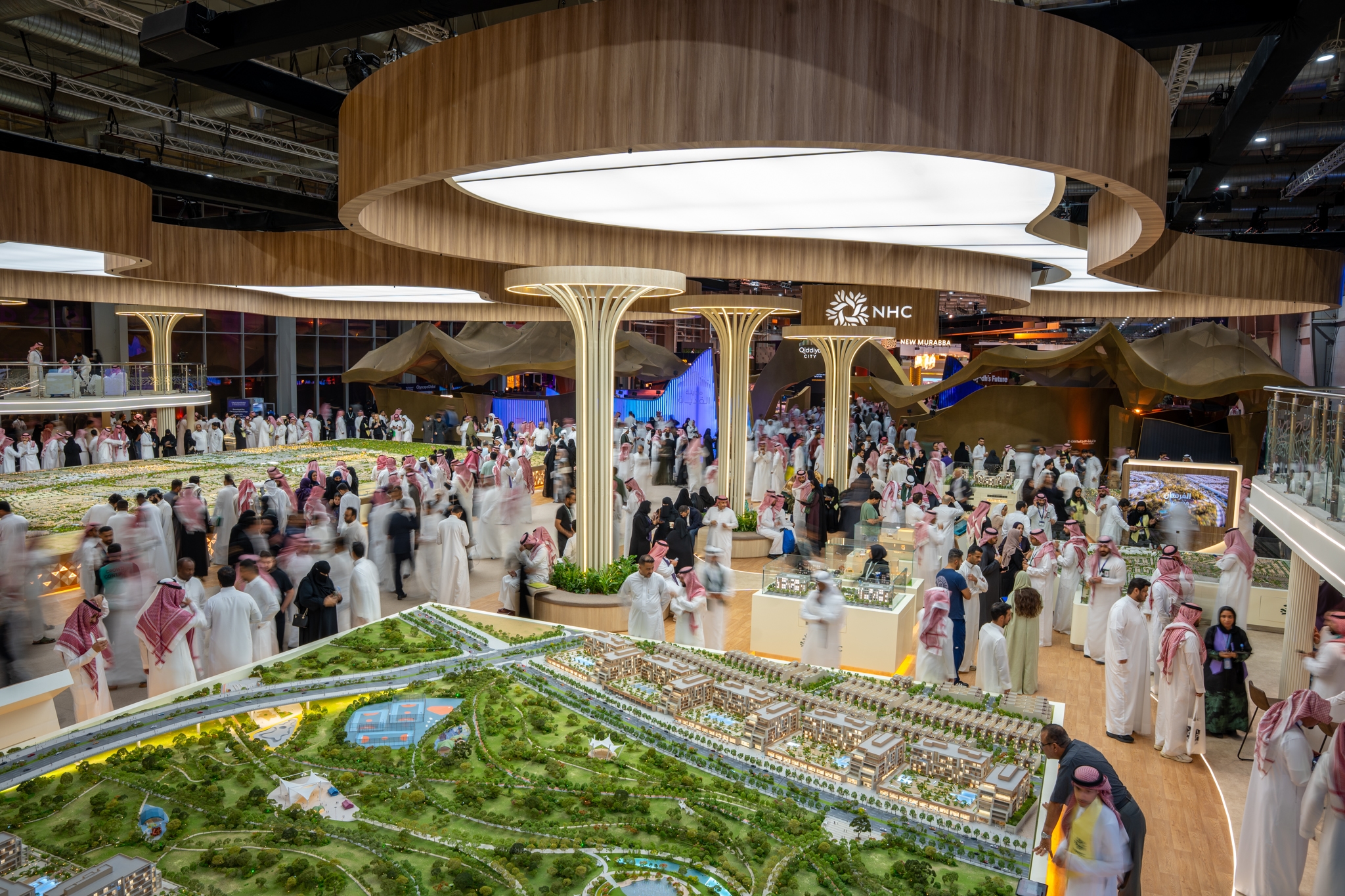
The tourism sector exemplifies both the potential and challenges of the royal technocratic model. Saudi Arabia has set a target of attracting 100 million tourists annually by 2030, up from approximately 18 million in 2019. The development of mega-projects such as NEOM, the Red Sea Project, and Qiddiya entertainment city involves unprecedented capital deployment and coordination across multiple stakeholders.
Royal involvement in tourism leadership provides several distinct advantages. First, it enables rapid decision-making and resource allocation that would be difficult in more bureaucratic structures. The Red Sea Project, for instance, secured initial funding and regulatory approvals with remarkable speed. Second, royal patronage signals regime commitment to reform, reassuring both domestic constituencies concerned about social liberalization and international investors evaluating regulatory risk.
The results have been tangible. Saudi Arabia issued its first tourist visas in September 2019, a historic shift for a kingdom previously closed to non-religious tourism. The establishment of the Saudi Tourism Authority with substantial budgets and clear mandates has created institutional capacity where little existed before. International hotel chains have announced major expansion plans, and tourism infrastructure investment has accelerated dramatically.
However, the model also reveals potential accountability deficits. Performance measurement in tourism development operates differently when project leaders enjoy hereditary status and proximity to ultimate sovereign authority. The timeline slippage and cost overruns common to mega-projects receive less public scrutiny when royal figures bear responsibility. The NEOM project, initially projected to cost $500 billion, has faced questions about feasibility and timeline that receive limited transparent assessment.
Entertainment and Cultural Transformation
The entertainment sector transformation under Vision 2030 represents perhaps the most visible manifestation of royal-led reform. The lifting of the cinema ban in 2017, the hosting of major international entertainment events, and the development of cultural festivals demonstrate rapid policy implementation. The General Entertainment Authority’s establishment provided institutional structure for activities previously prohibited or severely restricted.
Royal leadership has been essential to navigating the complex social and religious sensitivities surrounding entertainment liberalization. The hereditary credibility of appointed officials provides protective cover for reforms that might otherwise face stronger conservative resistance. When Crown Prince Mohammed bin Salman champions entertainment development as part of national transformation, religious authorities who might otherwise object are constrained in their opposition.
The economic results have been substantial. The Saudi entertainment market has grown rapidly, with domestic spending on entertainment increasing significantly as Saudis no longer need to travel abroad for leisure activities. International artists and events now regularly come to Saudi Arabia, generating revenue and employment while achieving the social policy goal of retaining youth spending domestically.
Yet performance measurement challenges persist. The entertainment sector’s success metrics blend economic returns with social policy objectives in ways that complicate straightforward assessment. When entertainment initiatives serve both revenue generation and social liberalization goals, determining optimal resource allocation becomes inherently political rather than purely technocratic.
Technology Sector Development
The technology sector under Vision 2030 involves substantial sovereign wealth deployment through PIF investments in global technology companies and domestic startups. The kingdom has invested billions in companies ranging from Uber to Magic Leap to SoftBank’s Vision Fund. Domestically, initiatives like the establishment of King Abdullah University of Science and Technology (KAUST) and technology incubators aim to develop indigenous capability.
Royal involvement in technology sector development provides unique advantages in international deal-making. When PIF leadership negotiates with global technology firms, they can offer not just capital but access to the Saudi market, regulatory support, and long-term partnership stability that monarchical continuity enables. The Aramco-PIF relationship, for instance, creates synergies between oil wealth, sovereign investment, and technology development that would be difficult to replicate in more fragmented governance systems.
The technology sector also demonstrates the monarchy’s ability to make long-term, patient capital commitments that democratic systems often struggle to sustain. NEOM’s technology city component involves decades-long development timelines and uncertain returns that require institutional patience. Hereditary institutions, with their multi-generational time horizons, may possess inherent advantages in such endeavors.
However, the lack of independent oversight in technology investment decisions creates potential for inefficient capital allocation. When investment choices blend strategic national interests with commercial returns, and when decision-makers enjoy hereditary protection from failure consequences, market discipline operates differently than in conventional sovereign wealth management. The valuations and returns on several PIF technology investments have raised questions among analysts about whether political objectives compromised investment discipline.
Sovereign Wealth Deployment and Economic Diversification
The Public Investment Fund’s expansion represents the financial engine of Vision 2030, with assets growing from approximately $150 billion in 2015 to over $700 billion by 2024. Royal leadership of PIF enables integration between sovereign wealth strategy and broader economic transformation objectives, ensuring that investment decisions align with diversification priorities rather than purely financial optimization.
This integrated approach has produced significant achievements. PIF has seeded numerous domestic sectors, from entertainment to mining to manufacturing, creating economic activity in areas where private capital alone would be insufficient. The fund’s international investments have generated both financial returns and knowledge transfer opportunities beneficial to domestic development.
The monarchical governance structure facilitates decisions that balance commercial logic with national development imperatives. When PIF invests in domestic tourism infrastructure or entertainment venues, it accepts returns below what purely commercial investors might require, justified by broader economic diversification benefits. This patient, developmental approach draws on models from other successful sovereign wealth funds in monarchical Gulf states.
Nevertheless, performance accountability remains a persistent challenge. PIF publishes limited financial information compared to sovereign wealth funds in democratic societies. When the same individuals who manage investments also hold hereditary political authority, the independence of performance assessment becomes difficult to establish. International financial analysts have noted the opacity of PIF operations and the challenges this creates for evaluating investment performance.
Hereditary Credibility and Reform Implementation Acceleration
The Saudi model demonstrates several ways hereditary credibility accelerates reform implementation. First, royal appointments eliminate the political vulnerability that appointed technocrats in democratic systems face when implementing controversial reforms. Young royals can champion socially sensitive changes, from entertainment liberalization to women’s workforce participation, with protection from political backlash that non-royal officials would not enjoy.
Second, hereditary status provides access to informal power networks essential for implementation in contexts where formal bureaucracy remains relatively weak. Royal officials can coordinate across ministries, secure military and security cooperation, and mobilize tribal and business networks through personal relationships and family connections that transcend formal organizational charts.
Third, monarchical continuity enables commitment credibility that enhances both domestic and international confidence. When Vision 2030 initiatives carry royal patronage, domestic investors understand that the reforms enjoy regime commitment extending beyond individual ministerial tenures. International partners similarly gain confidence that agreements made today will survive leadership transitions that might occur in less stable governance systems.
The evidence supports these mechanisms. The pace of regulatory reform in Saudi Arabia since 2016 has been remarkable by regional standards. The kingdom has improved significantly in World Bank Doing Business rankings, implemented substantial legal reforms affecting women’s rights and foreign investment, and liberalized previously restricted sectors at unprecedented speed. While correlation does not prove causation, the temporal alignment between royal technocratic appointments and reform acceleration is striking.
Comparative Perspectives and Monarchical Governance Models
The Saudi approach to combining hereditary authority with technocratic reform implementation finds precedents in other monarchical contexts, though with important variations. The United Arab Emirates, particularly Dubai, has demonstrated how royal leadership can drive economic transformation through ambitious projects and regulatory liberalization. Sheikh Mohammed bin Rashid Al Maktoum’s leadership of Dubai’s development provides a regional model that Saudi Vision 2030 partially emulates.
However, the Saudi model operates at a substantially larger scale and involves more comprehensive social and economic transformation. While Dubai diversified from a smaller oil-dependent base, Saudi Arabia attempts to diversify the world’s largest oil economy while simultaneously implementing significant social reforms. The governance challenges scale accordingly.
Other historical precedents include modernization efforts in 19th and 20th century monarchies, from Meiji Japan to late Ottoman reforms. These examples demonstrate both the potential for monarchical authority to drive rapid transformation and the risks when reforms lack adequate accountability mechanisms and institutional depth.
For policymakers, researchers, and observers evaluating monarchical governance in the 21st century, the Saudi experience offers important lessons. Hereditary institutions possess distinct advantages in commitment credibility, implementation speed, and long-term perspective. Yet these advantages come with governance trade-offs that require careful institutional design to manage. The challenge for modern monarchies lies not in choosing between hereditary legitimacy and technocratic accountability, but in constructing governance systems that capture the benefits of both while mitigating the risks inherent in each.